
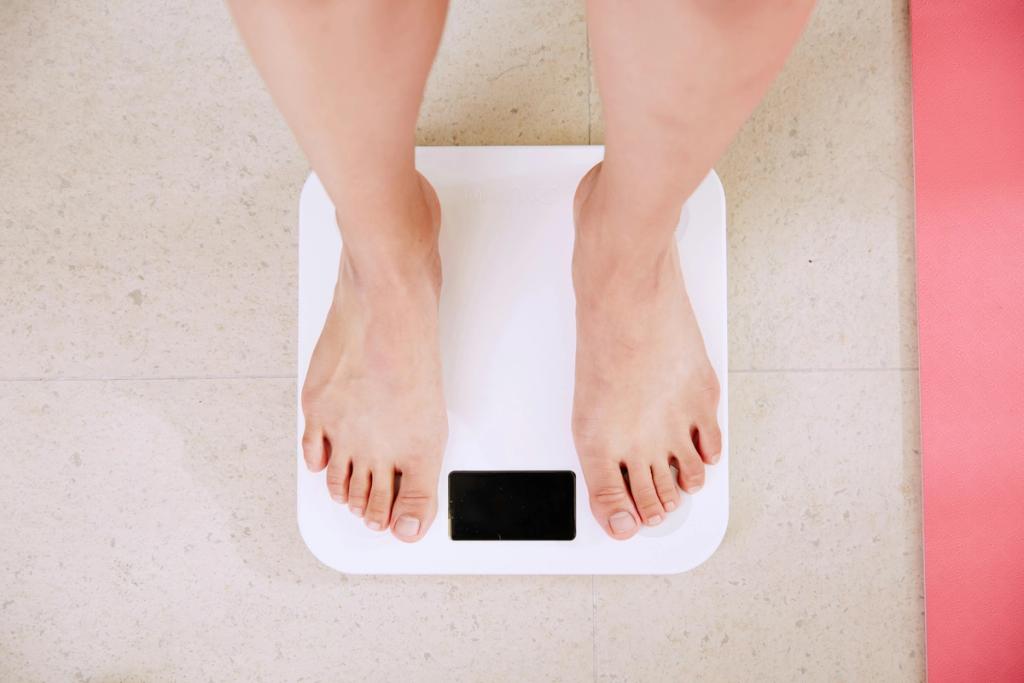
You've been consistent for weeks: workouts logged, meals mostly on track, sleep dialed in. Then you step on the scale and the number is exactly where it was a month ago. So which do you trust, the number staring back at you, or the photo where your jeans clearly fit different?
Here's the honest answer: neither one on its own. The scale and progress photos aren't rivals. They measure two different things. The frustration usually comes from expecting one tool to do a job it was never built for. Used together, they cancel out each other's blind spots. Used alone, either one can send you a completely wrong signal.
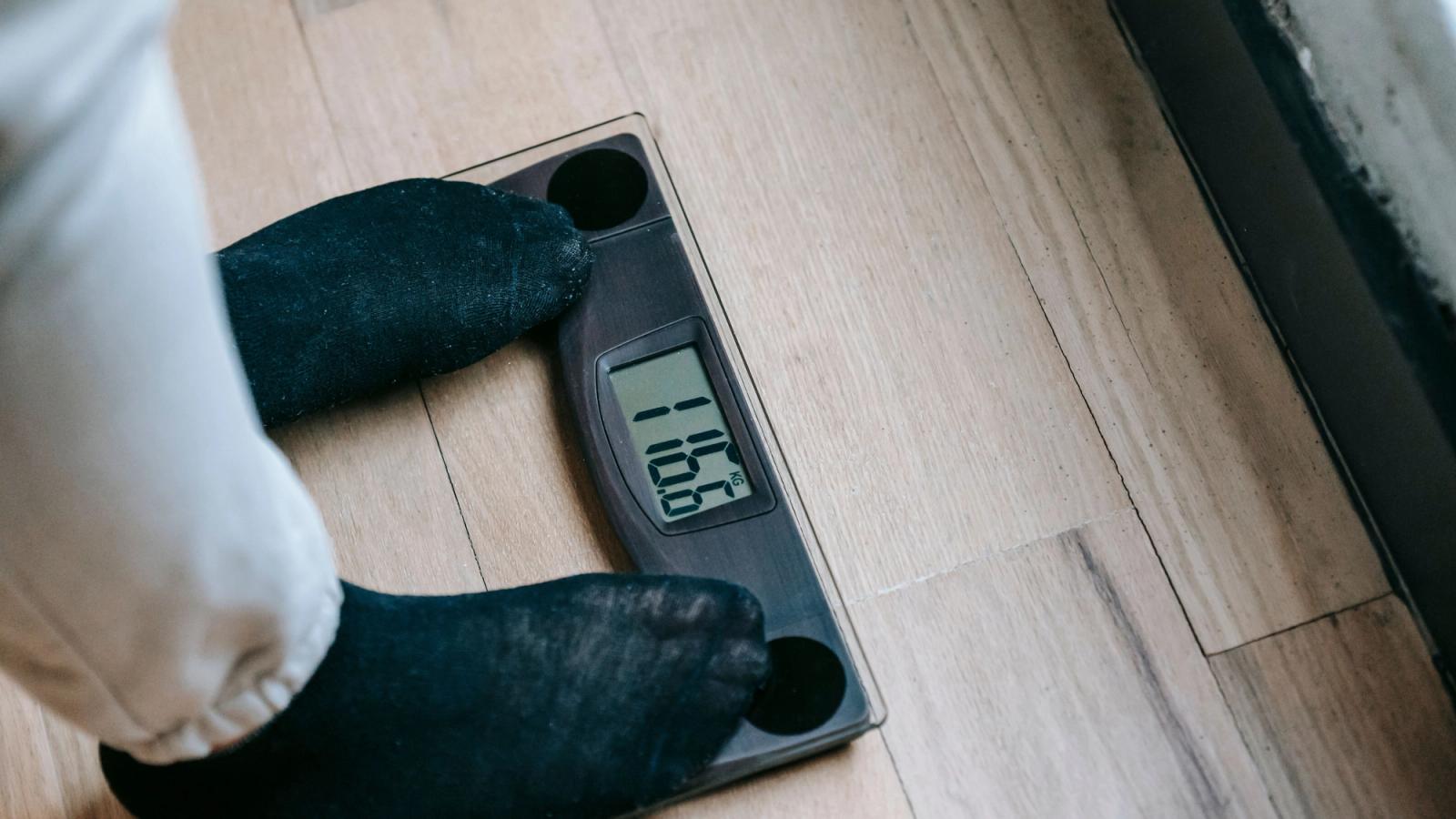
Scale vs. Photos: Quick Comparison
| Scale | Progress Photos | |
|---|---|---|
| What it measures | Total body mass | Visible shape and muscle definition |
| Best check-in frequency | Daily or a few times a week, judged on the weekly average | Every 2–4 weeks |
| Biggest strength | Fast, free, good at showing long-term trend direction | Catches recomposition, posture, and clothing fit that the scale misses |
| Biggest blind spot | Can't tell fat from muscle or water weight | Misleading if lighting, pose, or timing isn't consistent |
| Day-to-day reliability | Low (single readings swing 2–3 lbs from water alone) | Low (one photo can be skewed by sodium, sleep, or a recent workout) |
| Best for | Confirming the number is trending the right way | Confirming what your body actually looks like now |
Why the Scale Doesn't Tell the Whole Story
A scale measures one number: total mass pulled down by gravity. It has no way to tell you whether that mass is fat, muscle, water, or the burrito you had for dinner. Eat something salty, sleep poorly, or lift heavy the day before, and the number can swing two or three pounds in either direction without a gram of fat changing hands. That's because muscle repair pulls in water too.
This shows up most clearly during body recomposition, when someone is losing fat and building muscle at roughly the same rate. Lose five pounds of fat, gain five pounds of muscle, and the scale reads exactly the same as it did a month ago, even though the person underneath looks noticeably different. Muscle is also denser than fat, so it takes up less space per pound. That's how someone can drop a full clothing size while the scale barely moves.
Where the Scale Actually Earns Its Keep
None of that makes the scale useless. It's fast and free, and you can check it every single day if you want. That makes it genuinely good at spotting trends over time.
The trick is not treating any single reading as meaningful. One number on one morning tells you almost nothing. A weekly average is built from several daily weigh-ins. It smooths out the water-weight noise and shows you the direction things are actually heading. That's a real, useful signal, just a different one than "did I lose fat this week."
What Progress Photos Catch That the Scale Can't
Photos show shape. Posture straightening out, shoulders looking wider relative to the waist, muscle separation becoming visible where there used to be smoothness, none of that shows up as a number anywhere. It shows up in a side-by-side comparison.
They also sidestep a problem the mirror has. You look at yourself every day, so gradual change is nearly invisible in real time. Put a photo from eight weeks ago next to today's, and the difference is usually obvious in a way daily mirror-checking never delivers. That's not a motivational trick. It's just how human perception handles slow, incremental change.

The Catch With Photos
Photos only work if you're consistent about how you take them. Different lighting, a different angle, or a different time of day can make the same body look meaningfully different from one photo to the next. That variation has nothing to do with actual progress.
A single photo can also lie in the short term. Sodium the night before, water retention from stress, where you are in your monthly cycle, or even a recent workout can all make one photo look better or worse than reality. That's because muscles temporarily hold extra fluid right after training. One flattering or unflattering photo doesn't mean much by itself. A trend across several photos, taken the same way each time, means a lot more.
So Which Should You Actually Use?
Both, just for different jobs. Weigh yourself as often as feels manageable, daily or a few times a week. Judge yourself on the weekly average rather than any single morning. That gives you an early trend line before anything is visible to the eye. Then take a progress photo every two to four weeks, same lighting, same pose, same time of day. This confirms what the trend line is telling you and catches the kind of change a scale physically cannot measure.
Apps that combine both metrics make this easier to act on. Body Tracker, for instance, pairs weight logging with pose-guided progress photos on the same timeline. The trend line and the visual comparison sit next to each other, instead of living in separate apps or a camera roll. A notebook and a phone camera work fine too if you'd rather track it manually. Having both data points side by side is really what makes the pattern easy to spot, whichever tool you use.